AI and the Actor's Strike in Hollywood – Understand the Issue
TL;DR
AI was a core reason Hollywood actors walked off the job. SAG-AFTRA and the writers struck against the studios over job displacement, digital likeness, and consent, with the dual strikes pushing past $5 billion in economic damage and a projected $500 million hit to Warner Bros. Discovery. Netflix did not help by posting a $900,000 AI job mid-strike. The takeaway for brands: AI raises real questions about who owns a face, a voice, and a legacy.
Although AI has revolutionized various aspects of filmmaking, from special effects to data analytics, it has also played a pivotal role in sparking one of the most significant industry-wide events in recent memory, the actor's strike. With estimates predicting that this strike could cause economic damages of over $5 billion, it’s becoming harder for stakeholders to ignore. Even Warner Bros Discovery is expected to take a hit of $500 million to their earnings. Actors, like any other creative professional in the world, fear that they will slowly be replaced by AI-generators. And given that the response to these developments has been mixed (if not outright negative), companies who are making room for AI in their marketing strategies should also begin to accommodate different viewpoints on these issues.
What’s the strike about?
The strike centers around the Writers Guild of America and the actors guild - SAG-AFTRA, who are trying to negotiate with the Alliance of Motion Picture and Television Producers. The main reasons for the strike, at least on the actor’s side, are:
- Job Displacement - As AI technology becomes more sophisticated, there is a growing fear among actors that they may be replaced by digital counterparts. This fear is not unfounded, as AI can now mimic expressions, emotions, and even deliver lines convincingly. Furthermore, the use of virtual actors could entirely remove the need for physical actors.
- Income Inequality - The use of AI in casting and deepfake technology can perpetuate income inequality in the industry. Established actors might benefit from AI-driven casting decisions, but newcomers and extras could struggle to find opportunities.
- Privacy and Consent - Actors are increasingly concerned about their digital likeness being used without their consent, as deepfake technology becomes more prevalent. The lack of control over their own image in an industry where image is everything has led to calls for stronger protections and regulations.
Tom Hanks recently shared that his career may be never-ending - “I could get hit by a bus tomorrow, and that’s it. But my performances could go on and on and on”. A quote that reflects the concerns of the acting community.
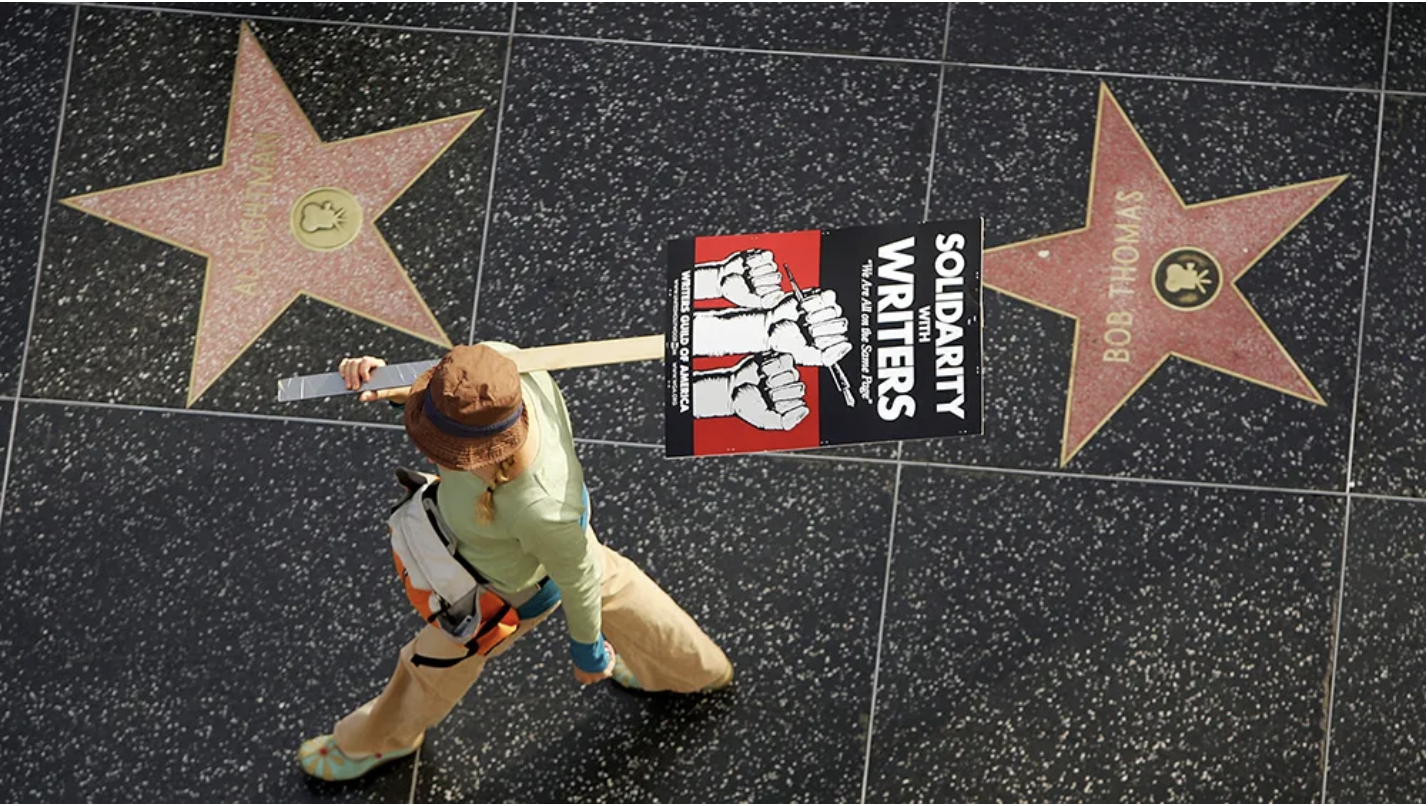
This strike also touches upon facets of royalties and residuals from online streaming, but the future use of AI plays a large role in the negotiations. And the demands are far from simple – The unions want increased transparency in the use of AI, stronger contractual protections for actors, and a share of the profits generated by AI-driven performances. This shines a light on the broader need for regulations and ethical guidelines concerning the use of AI in filmmaking. Discussions are ongoing about how to strike a balance between innovation and safeguarding the livelihoods of actors – including addressing issues around consent, privacy, and income equity.
Posthumous Problems
The rules around "consent" after death are murky, and non-existent in some parts of the world. In the US alone, each state views the situation differently - Some don’t have any protections in place that honor a dead celebrity’s wishes. Even written wills might not have enough sway.
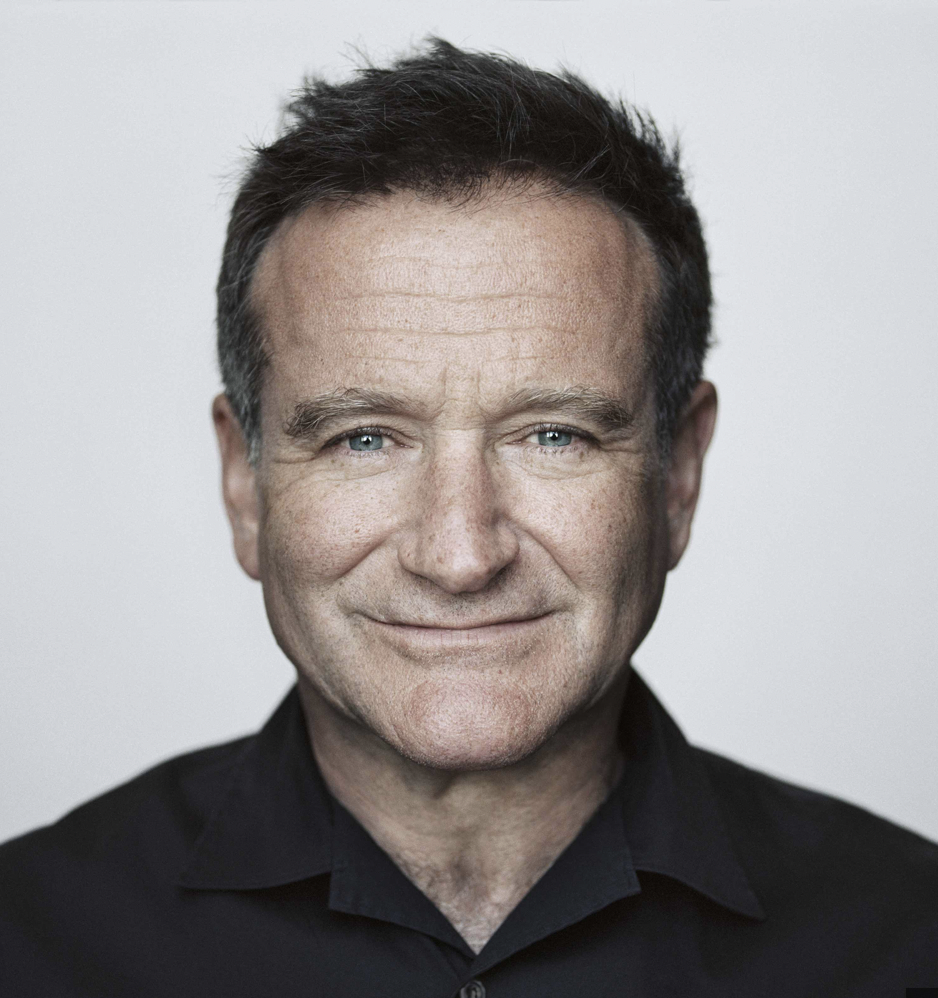
For instance, Robin Williams’ legal-will restricts the use of his likeness post-death. Experts have said this could be the model for celebrities who want to safeguard their image and legacy. But the issue is far from over. This last will and testament is valid for 25 years. What happens after that? Would the question of consent pass to his loved ones? Or would studios and brands feel free to use his likeness in their movies and campaigns? The State of New York has signed a new law that protects individuals from unauthorized or unwanted exploitation via digital replicas for 40 years after their death. But post-mortem rights in the rest of the country are still up for debate.
Netflix stirs the pot
In the midst of Hollywood’s hustle and bustle over AI, Netflix has provoked a salvo of responses to its recent job advert for an Artificial Intelligence expert. The new position is a part of their Machine Learning Platform and it pays up to $900,000 per year. While it’s encouraging that AI can (and most likely will) generate a whole slew of jobs in the entertainment industry, it has rubbed actors and writers the wrong way. Previously, striking actors had to earn around $26,470 before they were eligible for health benefits. The new job posting, which offers the kind of money that could support many SAG-AFTRA members and their families, has created an uproar and added another layer of complexity to the Hollywood strike.
What does this all mean?
Technology has pushed actors and writers to strike against some of Hollywood’s biggest studios, where uncomfortable questions are being raised for all involved, including brands, influencers, and marketers:
- How will disruptive technologies, like virtual personalities, affect human labor?
- Who owns the rights to someone’s face, body, and voice in this new space?
- What kind of posthumous control can an artist have? For instance, can a gritty action star be put into a series of romantic comedies that they didn’t consent to?
- Would the presence of virtual actors merely be gratuitous in films, ads, or other videos?
- Would posthumous acting jobs be a true addition to an actor’s legacy?
- Will brands sacrifice authenticity for affordable, engineered virtual personalities?
What do you think about the rise of virtual actors in movies and marketing? Do you think they will be a force for good, or should industries look before they leap? Write and let us know your thoughts.
Frequently Asked Questions
Why is AI a central issue in the Hollywood actors strike?
Actors fear AI will replace them by mimicking expressions, emotions, and line delivery, and that their digital likeness could be used without consent or fair pay. SAG-AFTRA's demands included more transparency around AI, stronger contractual protections, and a share of profits from AI-driven performances. The fight is as much about consent and image rights as it is about residuals.
How much did the 2023 Hollywood strikes cost the economy?
The combined writers and actors strikes pushed past $5 billion in economic damage by mid-September 2023, according to CNN, as halted productions rippled across industries. Studios felt it too: Warner Bros. Discovery told the SEC it expected a $300 million to $500 million hit to its 2023 earnings, predominantly from the strikes. The SAG-AFTRA walkout ran from July 14 to November 9, 2023.
Why did Netflix's $900,000 AI job posting cause an uproar?
Netflix listed an AI role on its Machine Learning Platform team paying up to $900,000 while actors were striking partly over AI protections. The optics were brutal, because striking performers needed to earn only about $26,470 to qualify for SAG-AFTRA health benefits. A single AI hire could fund health coverage for many union members and their families, which is why it landed as tone-deaf.
Can a celebrity's likeness be used by AI after they die?
It depends entirely on where you are, because posthumous consent rules are murky and inconsistent across US states. Robin Williams restricted the use of his likeness for 25 years after his death, which experts cite as a model worth copying. New York went further, passing a law that protects people from unauthorized digital replicas for 40 years after death, but most of the country has no clear rule.
What does the actors strike mean for brands and marketers?
It is a warning that AI-generated faces and voices carry consent, ownership, and authenticity risks you cannot ignore. Using a virtual personality or digital replica without clear rights can backfire legally and reputationally, especially while public sentiment runs hot. Brands weighing engineered personalities against real talent should accommodate these viewpoints rather than sprint ahead and look before they leap.
Sources
- Entertainment strikes pushing toward $6 billion in losses (surpassed $5B by mid-September) - CNN, Sept 20, 2023
- Warner Bros. Discovery says strikes will cost it up to $500 million this year - CNN Business, Sept 5, 2023
- Netflix lists $900,000 AI job as actors and writers continue to strike - Engadget, July 25, 2023
- Tom Hanks says he could live on in movies after his death because of AI - TODAY, May 2023
- Robin Williams restricted use of his image for 25 years after his death - CBS News
- New York enacts a post-mortem right of publicity law (40 years) and addresses deepfakes - Cowan, DeBaets, Abrahams & Sheppard LLP
- SAG-AFTRA Health Plan earned eligibility threshold ($26,470 in covered earnings) - SAG-AFTRA Plans
- 2023 SAG-AFTRA strike (timeline, AI demands, dates) - Wikipedia
Keep reading
The archive →How Close Are We to AGI (Artificial General Intelligence)?
A grounded look at how close we really are to Artificial General Intelligence, and what would have to be true to get there.
AI NEWSMeet Julian: The Cutting-Edge AI Tutor from Walden University
Julian represents a significant advancement in personalized learning and support, promising further advancements in the educational field as AI technology continues to evolve.
From The Cut
All takes →- The Best AI SEO Tools in 2026: What Actually Moves Rankings
- The Best AI Transcription Tools in 2026: What Actually Gets the Words Right
- The Best AI Video Editors in 2026: What Actually Speeds Up the Edit
- The Best AI Video Generators in 2026: What Actually Produces Usable Video
- The Best AI Voice Agents in 2026: What Actually Holds a Conversation
- The Best AI Voice Generators in 2026: What Actually Sounds Human